
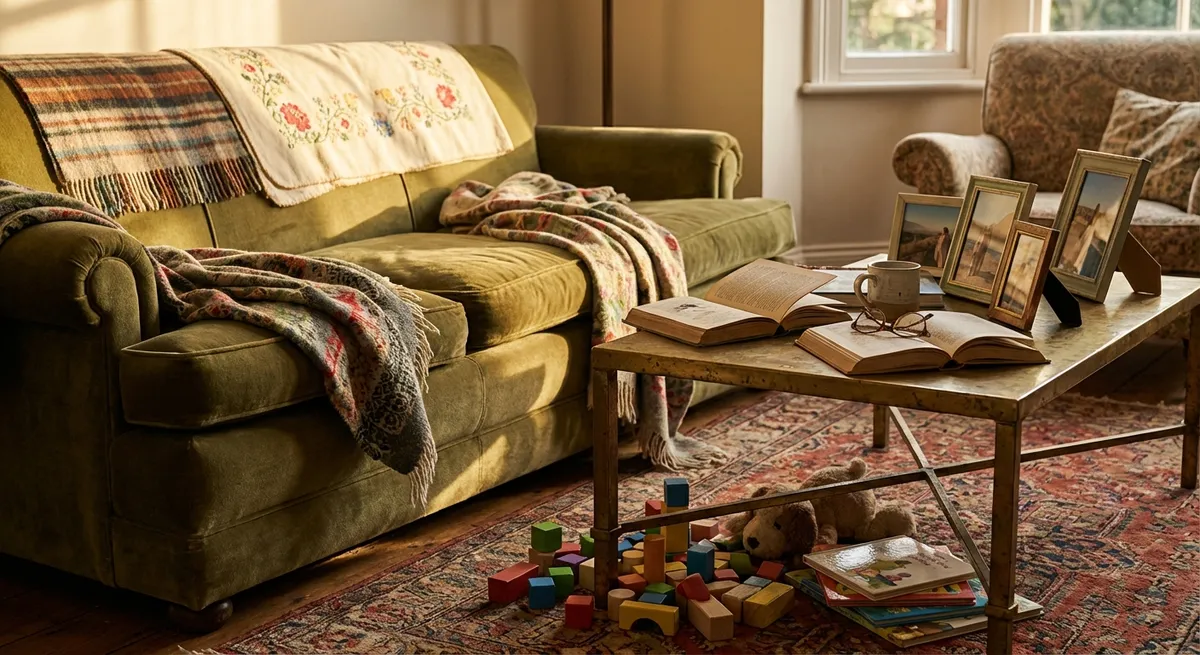
The most memorable living rooms rarely look “finished.” Instead, they feel like an elegant collage of stories—softly lit, comfortably worn in, and quietly evolving. This is the heart of a HazelCrown home: spaces that make you exhale when you walk in, that hold both beauty and real life with equal grace.
Whether your living room is a compact city nook or a sprawling family hub, you don’t need a designer’s budget to shape something soulful. With thoughtful layers, a few budget-wise swaps, and an eye for transformation, you can turn even the most ordinary room into a place that feels beautifully, unmistakably yours.
Begin With a Mood, Not a Shopping List
Before you think about paint colors or pillows, begin with a feeling. Ask yourself: How do I want this room to hold me, my family, and my guests? Calm and cocooning? Light and energizing? Warm and conversational?
Instead of starting with trends, collect clues for your mood. Save images, note favorite hotel lobbies or cafes, and pay attention to what you’re drawn to in nature: misty mornings, sunlit fields, forest greens, or coastal neutrals. Let that emotional palette guide your design decisions.
Once you have a mood in mind, refine it into three words—perhaps “soft, grounded, luminous” or “tailored, warm, collected.” Keep these words visible as you plan. When you consider a rug, lamp, or paint color, ask: Does this honor my three words? This gentle filter helps you avoid impulse buys that don’t quite belong and ensures your living room evolves with intention rather than clutter.
Most importantly, recognize that a living room is allowed to be layered and imperfect. The aim isn’t a showroom; it’s a space that feels like a welcoming exhale—for you, first of all.
The Silent Architecture: Layout That Actually Serves Your Life
Before styling, address the quiet architecture of your room: where furniture sits, how people move, where conversations naturally form. A thoughtful layout can make even a small or awkward living room feel generous.
Begin with the room’s anchor. Often, it’s the largest seating piece: a sofa, sectional, or a pair of substantial armchairs. Place this first, then build around it. Rather than pushing everything against the walls, try bringing seating inward to create a “conversation island.” This can make the room feel intimate and purposeful, even in open-plan spaces.
Consider:
- Traffic flow: Leave at least 30–36 inches of clearance for pathways so movement feels easy, not cramped.
- Conversation comfort: Aim for 4–10 feet between seats for an easy, natural distance where you don’t need to lean in or raise your voice.
- Multiple zones: In longer rooms, carve out a reading corner, a game table, or a small writing desk behind the sofa. One room can hold many quiet stories.
If your living room has an awkward feature—an off-center window, a challenging fireplace, or too many doors—lean into asymmetry. Balance a visually heavy object (like a fireplace) with something strong opposite it (a tall bookcase, a large piece of art, or a leafy plant). Harmony in a room often comes from thoughtful counterpoints, not perfect symmetry.
Color That Cares for You: Palettes With Presence and Ease
Color sets the emotional temperature of your living room. The key is choosing shades that flatter your light and your life, not just your inspiration board.
In rooms with abundant natural light, you can lean into deeper hues—ink blues, rich taupes, tobacco browns, olive greens. They create a cocooning, grounded quality, especially when paired with warm woods and soft, textured fabrics. In lower-light rooms, gentle neutrals with a hint of warmth—think mushroom, sand, oatmeal, dove gray—often feel softer and more forgiving than bright whites, which can go flat or chilly in shadow.
For a simple approach, you might try:
- Base: A calm, versatile neutral for walls and larger pieces (sofa, rug).
- Support: One or two complementary tones drawn from nature (stone, clay, moss, sky).
- Spark: A single accent color that appears in small doses—throw pillows, art, a ceramic vase—to keep things alive without chaos.
If repainting all your walls isn’t in your budget, focus on one transformative move: painting a single accent wall, the back of a bookshelf, or even your media console. Sometimes a small block of color—thoughtfully placed—can shift the entire feeling of the room.
Texture Over Trend: Building a Room That Ages Gracefully
Trends fade; texture whispers quietly, year after year. A textured room feels rich and inviting even when the palette is simple. This is especially helpful if you prefer neutrals but don’t want your living room to feel flat.
Layer multiple tactile elements:
- Soft: Linen or cotton slipcovers, velvet cushions, chunky knit throws.
- Structured: Woven baskets, rattan chairs, jute or sisal rugs.
- Smooth and cool: Stone, glass, glazed ceramics, metal accents.
- Warm and grounding: Wood in varying tones—oak, walnut, pine, reclaimed pieces.
An easy, budget-friendly strategy is to keep large pieces fairly simple and neutral, then add character through textiles and accessories that are easier to swap out over time. A plain sofa can become quietly luxurious with a linen throw and a single velvet cushion; a basic coffee table can feel bespoke with a textured tray, a handmade bowl, or a favorite book.
When in doubt, mix at least three distinct textures on any given surface or vignette. For example: a matte ceramic vase, a glossy candle holder, and a small stack of linen-bound books. The interplay of textures creates visual interest without the need for bold colors or busy patterns.
Budget-Friendly Beauty: Where to Spend, Where to Save
A gracious living room doesn’t require a lavish budget; it needs thoughtful priorities. Decide what really affects your daily experience, and invest there when you can.
Worth thoughtful investment:
- Seating: A supportive, comfortable sofa or pair of chairs that suits how you actually live. A smaller, well-made piece often outperforms a large but sagging one.
- Lighting: One or two quality lamps with soft, warm bulbs can change your evenings more than an expensive side table.
- Rug size: A rug that’s slightly larger than you think you need (ideally with front legs of seating on it) can make the room feel intentional and expansive.
Savvy places to save:
- Side tables & stools: Thrift shops, estate sales, and online marketplaces are rich sources of characterful tables and stools that can be painted, stained, or simply cleaned up.
- Frames & art: Use simple, inexpensive frames for printed photographs, postcards, or downloadable art. A unified framing style can make even budget prints feel gallery-worthy.
- Pillows & throws: Swap covers seasonally rather than buying new inserts. Cotton, linen, or textured synthetic blends can look elegant without the cost of designer textiles.
Embrace the power of small upgrades: switching harsh overhead bulbs to warm, dimmable LED lamps; replacing tired throw pillows; or adding a single large plant. These shifts are often more transformative than another piece of furniture.
The Art of the Everyday Vignette: Styling With Intention
Vignettes—those little arrangements on coffee tables, mantels, and consoles—can make your living room feel curated rather than cluttered. The secret is restraint and rhythm.
On any surface, try this simple formula:
- Anchor piece: A tray, stack of books, or low box to visually contain the arrangement.
- Height: A taller item like a vase, sculpture, or lamp for vertical interest.
- Life: Something living or organic—fresh flowers, a plant, branches, or even a bowl of seasonal fruit.
- Personal note: A small framed photo, a travel memento, or a meaningful object that tells your story.
Keep negative space—an area of the surface left intentionally clear—so the eye can rest. Periodically edit. If a vignette feels too busy, remove one item and step back. Often, the room breathes more easily with less.
Remember, styling isn’t final; it’s a gentle, ongoing conversation between you and your home. As your life shifts, let your surfaces shift with it.
Before and After: Quiet Transformations Without a Renovation
You don’t need to knock down walls to experience a true “before and after.” Sometimes the most moving transformations are quiet—and entirely achievable in a weekend.
Example 1: From Drab to Collected With Color and Shape
- Before: Beige walls, dark bulky sofa against the wall, small rug floating in the center, mismatched side tables crowding the room, harsh overhead lighting.
- After:
- Walls softened with a warm, light greige that flatters both daylight and lamplight.
- Sofa pulled slightly off the wall and angled toward a reading chair to create a conversation area.
- Larger textured rug with furniture front legs resting on it, visually grounding the space.
- Two side tables edited down to one well-placed piece; clutter is corralled in a woven basket under the console.
- Overhead light dimmed or used sparingly, with two warm table lamps and a floor lamp creating layered, flattering illumination.
Everything in this transformation is based on placement, scale, and a few key changes, not an entirely new catalog.
Example 2: A Rental Living Room That Finally Feels Like “Home”
- Before: Builder-beige walls tenants can’t paint, vertical blinds, a small, floating rug, and a TV as the unchallenged focal point.
- After:
- A large, neutral rug extends under the seating area, creating softness and defining the room.
- Floor-length curtains on simple rods hung high and wide over the window, disguising vertical blinds and adding elegance.
- Peel-and-stick artwork-style decals or removable wallpaper along one wall behind the sofa for subtle pattern and depth.
- The TV integrated into a gallery wall with framed prints, turning a purely functional element into part of an artistic composition.
- A small reading corner created with a thrifted armchair, a floor lamp, and a stack of books in a low basket.
These kinds of “after” moments are about atmosphere, not perfection. They invite you to see what’s already there through a kinder, more creative lens.
Light as a Daily Ritual: Shaping the Room From Dawn to Dusk
Light is the most poetic design tool you have—and one of the simplest to change. Instead of relying on a single overhead fixture, think in layers.
If possible, aim for:
- Ambient light: The general glow—floor lamps, shaded table lamps, or wall sconces.
- Task light: Focused lighting for reading, working, or hobbies—swing-arm lamps, reading lamps beside chairs.
- Accent light: The soft, subtle highlights—picture lights, candles, fairy lights along a shelf, or a small lamp on a bookshelf.
Choose warm-color-temperature bulbs (often labeled around 2700K–3000K) for a welcoming, evening-friendly atmosphere. Cooler bulbs may work in offices, but they can feel stark in a living room where you want softness and rest.
Consider how your room feels at different times of day. Morning light might invite you to keep things bright and airy; evening invites pockets of golden glow. Allow your lighting to become a daily ritual: turning on lamps at dusk, lighting a candle on the coffee table, letting the room gently shift into night mode.
Curating the Lived-In: Editing Without Erasing Your Life
The most elegant living rooms honor real life. Toys, books, hobbies, and work all pass through this space. Instead of fighting that, create graceful systems that allow life to unfold—and tuck away—easily.
A few gentle practices:
- Use beautiful containment: lidded baskets for throws and toys, a wide tray to hold remotes and small items, a storage ottoman for board games or blankets.
- Rotate objects on display. Not every treasured item needs to be out at once. Keep a small “resting box” for items you still love but don’t need visible right now; reintroduce them seasonally.
- Give each flat surface a purpose. The coffee table might be for books and flowers, the console for a lamp and art, the side table for a drink and a single small object. This keeps clutter from spreading without endless tidying.
When editing, ask: Does this add to the feeling I want in this room? If not, could it be moved, stored, or used in a different way? The goal is not minimalism for its own sake; it’s clarity, so the objects that remain can truly shine.
Conclusion
A living room with soul is not created overnight. It’s composed slowly—through rearranged furniture on a quiet afternoon, a lamp added just where you like to read, a thrifted table that suddenly makes the room feel more like you.
You don’t need perfection, or endless new pieces, to transform your space. You need a clear mood, thoughtful layers, warm light, and a willingness to let your living room evolve with your life.
With each small, intentional choice, your living room becomes less of a backdrop and more of a companion: a place that welcomes your stories, holds your ordinary days with grace, and reminds you—every time you cross the threshold—that beauty can be gentle, lived-in, and entirely your own.
Sources
- American Society of Interior Designers (ASID) – Space Planning Basics – Professional guides that outline key principles for room layout, circulation, and functional zoning.
- U.S. Department of Energy – LED Lighting Facts – Practical information on color temperature, energy efficiency, and choosing the right bulbs for layered lighting.
- The Spruce – How to Choose the Right Rug Size for Your Living Room – Detailed guidance on rug proportions and placement to visually anchor a seating area.
- Apartment Therapy – Decorating a Rental Without Making Permanent Changes – Ideas for non-permanent upgrades such as curtains, removable wallpaper, and styling tricks ideal for renters.
- Better Homes & Gardens – Tips for Mixing Textures in Home Decor – Insight into combining textiles, finishes, and materials to achieve a layered, inviting look.