
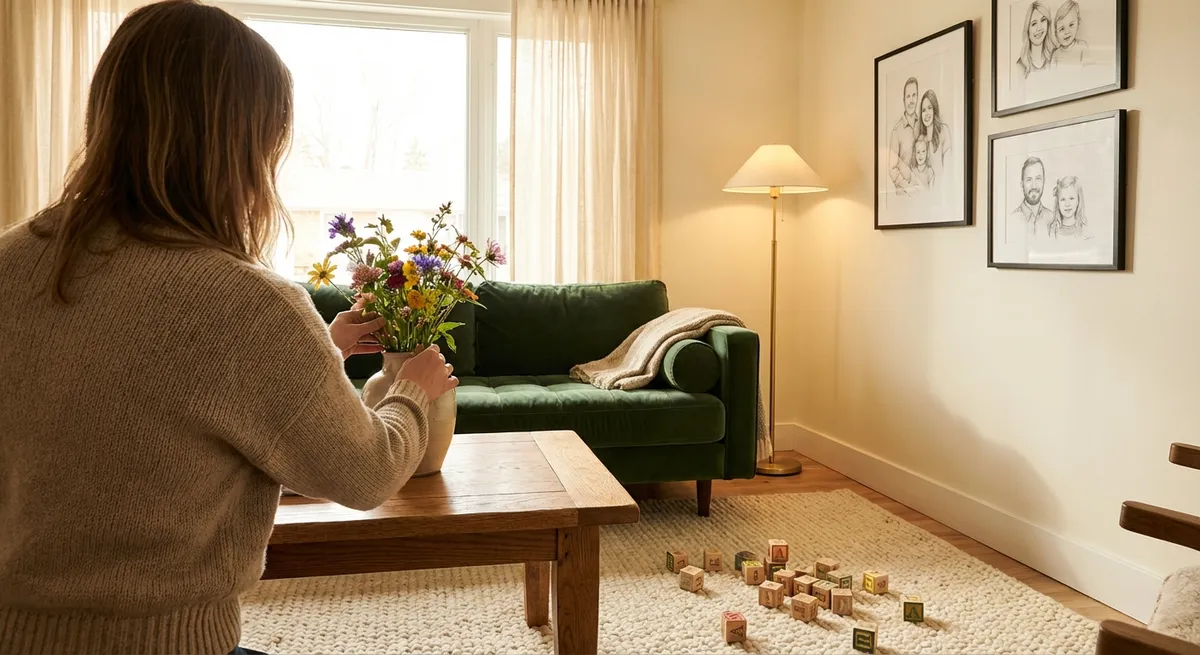
A living room is more than a place to sit—it’s the stage where your everyday life unfolds. It’s where you curl up with a book, share long talks with friends, and unwind after a long day. Thoughtful design doesn’t require a huge budget or a professional degree in interior design. With a clear vision, a few smart choices, and a bit of creativity, you can turn any living room into a space that feels both beautiful and deeply personal.
In this guide, we’ll walk through practical, elegant ways to transform your living room—from layout and color to styling details and budget-friendly upgrades—plus ideas for “before-and-after” moments you can actually achieve at home.
Begin with a Vision: How Do You Want to Feel Here?
Before choosing a sofa or paint color, start with emotion. Ask yourself: How do I want this room to feel? Cozy? Airy? Energizing? Sophisticated?
Write down three words that describe your ideal atmosphere. For example: “warm, calm, welcoming” or “light, modern, joyful.” These words become your design compass. When you’re tempted by a bold rug or a trendy side table, you can quickly ask: Does this help create the feeling I want?
Next, consider how you truly live in the space:
- Do you host often, or is this mostly a retreat for you and your family?
- Do you need room for kids to play or pets to roam?
- Do you work from the sofa or watch movies most nights?
- Do you need hidden storage to keep life’s clutter out of sight?
Design succeeds when it’s honest about your lifestyle. A glamorous but uncomfortable sofa or a delicate coffee table in a home with toddlers will only create frustration. Let your real life—not a showroom—set the priorities.
Layout First: The Art of Inviting Furniture Placement
Many “before” photos share the same problem: furniture pushed flat against the walls, a lonely sofa floating near a TV, and no true conversation area. Start your transformation by rethinking layout before you buy anything new.
1. Choose a focal point.
This could be a fireplace, a large window, a gallery wall, or even a beautifully styled media console. Arrange seating so it faces or gently orients toward this anchor.
2. Create a conversation circle.
Think of seating as a gentle U-shape or L-shape around your focal point. Chairs and sofas should be close enough that people can speak comfortably without raising their voices. Even in small spaces, angle a chair and add a side table to make the room feel intentional and intimate.
3. Float the furniture.
When possible, pull seating away from the walls. Even a few inches can make the room feel more luxurious and thoughtfully designed. Use a rug to visually define the seating area.
4. Respect walking paths.
Aim for clear pathways at least 30–36 inches wide where people naturally walk through the room. A well-planned path makes the room feel calmer and more spacious, even if it’s small.
Before-and-after idea:
- Before: Sofa pressed against the wall, small rug in the center, chairs scattered.
- After: Sofa pulled slightly forward, a larger rug anchors the seating area, two chairs angled opposite the sofa, coffee table centered. Suddenly, the room becomes a cozy gathering space instead of a pass-through.
Color, Light, and Mood: Setting the Tone Gracefully
Color and lighting are the quiet storytellers in your living room. They shape mood long before anyone notices the artwork or throw pillows.
Choosing a Color Palette
You don’t need to be a color expert. Start with a simple, flexible formula:
- 1–2 main neutrals: soft whites, warm beiges, gentle grays, or earthy taupes.
- 1 accent color: something you love and won’t tire of quickly (deep green, terracotta, navy, soft blush, etc.).
- 1 metallic or wood tone: brass, black metal, walnut, oak—something that repeats throughout for cohesion.
If your room gets limited natural light, lean into warmer tones (cream, sand, clay, caramel) to avoid a gloomy feel. In bright rooms, cooler neutrals (light gray, soft white) can feel crisp and refreshing.
Layering Light Like a Designer
Think in layers rather than relying on a single overhead fixture:
- Ambient light: ceiling lights, floor lamps, or wall sconces that softly illuminate the whole room.
- Task lighting: a reading lamp by the sofa, a focused light near a desk or cozy chair.
- Accent lighting: picture lights, small table lamps, or LED strips in bookcases to highlight features.
Use warm white bulbs (around 2700K–3000K) for a welcoming glow. Dimmer switches, or even smart bulbs, allow you to adjust the mood from lively to tranquil with a single touch.
Before-and-after idea:
- Before: Single bright overhead bulb, harsh shadows, no lamps.
- After: Overhead light on a dimmer, a floor lamp near the sofa, a table lamp on a console, and a candle or two. The room shifts from stark to softly luminous.
Furniture That Works Hard: Comfort, Scale, and Function
Beautiful living rooms are grounded in pieces that fit the space and your life.
Get the Scale Right
- Sofa: In a small room, choose a streamlined sofa with visible legs instead of a bulky, oversized piece. In a larger room, opt for a deeper, more generous sofa or a sectional that fills the space without overwhelming it.
- Coffee table: Ideally, this should be about two-thirds the width of your sofa and placed 14–18 inches away from it for easy reach.
- Rug: Bigger is almost always better. Aim for a rug large enough that at least the front legs of sofas and chairs rest on it. Too-small rugs can make the room feel disjointed.
Choose Functionally Elegant Pieces
- Storage ottomans that double as seating and hide blankets or toys.
- Media units with doors to conceal cables and electronics.
- Nesting side tables that pull out when you have guests and tuck away when you don’t.
Budget-friendly tip: Check online marketplaces, estate sales, and thrift shops for quality wood pieces. A dated finish can become timeless with sanding and a fresh stain or paint. Solid construction matters more than trendy styling—you can always refresh the surface.
Style with Soul: Textures, Layers, and Personal Touches
Styling is where your living room becomes uniquely yours. Think of it as dressing the room: you’re adding character, comfort, and layers of interest.
Textures That Invite You In
Even in a neutral room, texture can create depth:
- Mix smooth (leather, glass, metal) with soft (velvet, linen, cotton).
- Add a chunky knit throw, a woven basket, or a jute rug.
- Use ceramic, stone, or wood objects on shelves and tables to add tactile interest.
Cushions, Throws, and Soft Layers
Choose pillows in a mix of sizes and fabrics—linen, bouclé, cotton, velvet. To avoid a cluttered look, keep a cohesive color palette and vary textures instead of using every color under the sun.
A simple formula:
- 2–3 main cushions that relate to your accent color.
- 1–2 patterned cushions that echo colors already in the room.
- 1 throw blanket in a color that either gently contrasts or harmonizes with the sofa.
Art and Objects with Meaning
Instead of filling shelves with generic decor, look for pieces that tell a story:
- Framed travel photos, children’s artwork in simple frames, or black-and-white family portraits.
- Books you genuinely love, styled with a small bowl, candle, or sculptural object atop a stack.
- A single special item—an heirloom vase, a handmade ceramic piece—given pride of place.
- Before: Bare walls, random decor scattered on shelves.
- After: One thoughtful gallery wall arranged around the sofa, shelves edited down to a mix of books, meaningful art, and a few well-chosen objects. The room now feels curated, not cluttered.
Before-and-after idea:
Budget-Friendly Transformations with Big Impact
You don’t need a full renovation to create a noticeable “after.” Focus on high-impact, relatively low-cost projects.
1. Paint: The Most Powerful Makeover
A weekend and a few cans of paint can transform almost any living room. Options:
- Paint the whole room a fresh neutral to erase years of scuffs and mismatched tones.
- Add an accent wall behind the sofa or fireplace in a deeper color to anchor the space.
- Paint built-ins or a dated TV unit in a soft white or rich charcoal for an instant upgrade.
2. Upgrade Soft Furnishings
If new furniture isn’t in the budget:
- Add a large, affordable area rug to unify the seating area.
- Slipcover a tired sofa or add a tailored throw that covers the seat and back cushions.
- Replace aging cushions with new covers rather than buying whole new inserts.
3. Refresh Lighting and Hardware
Swapping basic fixtures or lamp shades with more sculptural, warm-toned designs can elevate the room. Changing dated curtain rods, cabinet pulls, or door handles to a consistent finish (like brushed brass or matte black) makes the space feel considered.
4. Thrift and DIY with Intention
- Look for solid wood coffee tables, side tables, and lamps at thrift stores.
- Sand and refinish a table instead of replacing it.
- Create your own large-scale art with a canvas, textured joint compound, and neutral paint.
Mini Makeovers: Before-and-After Scenarios You Can Recreate
Here are three realistic transformation ideas you can achieve over a weekend or two:
1. The “Rental-Friendly Reset”
Before: Beige walls, vertical blinds, no rug, mismatched furniture, tangled cables.
After (on a budget):
- Add a large, neutral rug to ground the space.
- Hang simple curtain panels higher and wider than the window to add softness and height.
- Use a cable management box or clips to tame wires around the TV.
- Introduce 2–3 cushions and a throw in a cohesive palette (e.g., cream, rust, and olive).
- Add one large plant in a woven basket to bring life into the room.
2. The “Small Space, Big Style” Studio
Before: Sofa and bed visually blend together, cluttered surfaces, no clear zones.
After:
- Use a rug to define the living area separate from the sleeping area.
- Place a narrow console or open shelving behind the sofa as a subtle room divider.
- Choose a coffee table with hidden storage for remotes and small items.
- Mount shelves or use tall bookcases to draw the eye upward and free up floor space.
3. The “Family-Friendly, Yet Elegant” Living Room
Before: Toys everywhere, dark heavy furniture, everything pushed to the walls.
After:
- Store toys in lidded baskets or an ottoman that blends with your decor.
- Rearrange seating into a U-shape around a larger rug for family movie nights.
- Swap one or two heavy pieces for lighter, leggy furniture to open up the room.
- Add washable slipcovers or performance fabric throws for durability and easy cleaning.
Conclusion
Your living room doesn’t need to be perfect; it needs to feel like you. With a thoughtful layout, a consistent color palette, layered lighting, and meaningful styling, even the simplest room can become the heart of your home. Start small: rearrange the furniture, add a lamp, hang one piece of art you truly love. Then build, layer by layer.
Transformation isn’t always about buying more; often, it’s about editing, rethinking, and choosing with intention. Over time, your living room will become a quiet reflection of your life—warm, welcoming, and beautifully lived-in.
Sources
- American Society of Interior Designers (ASID) – Residential Design Trends - Insights into how people use and experience home spaces, including living rooms
- The Spruce – How to Arrange Living Room Furniture - Practical guidance on layouts, focal points, and seating arrangements
- Better Homes & Gardens – Living Room Decorating Ideas - Real-world makeovers with before-and-after examples and styling tips
- IKEA – Small Living Room Ideas - Budget-friendly solutions and layout inspiration for compact spaces
- Energy.gov – Lighting Choices to Save You Money - Information on light bulb types, color temperature, and energy-efficient lighting choices