
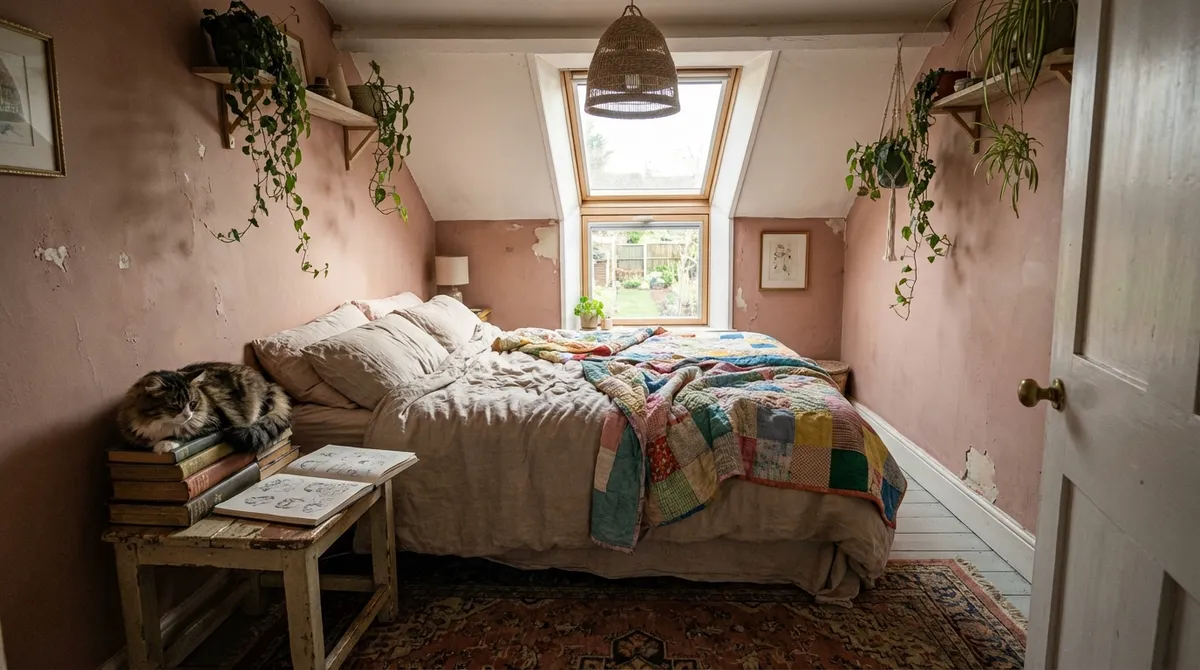
A beautiful bedroom is less about perfection and more about resonance—how the space feels when you close the door, exhale, and finally let the day fall away. This isn’t about chasing trends or recreating a catalog page; it’s about weaving comfort, meaning, and a quiet kind of beauty into the room where you begin and end every day. With thoughtful choices, even a modest space and a modest budget can become a deeply personal retreat.
Below, you’ll find practical styling ideas, budget-friendly upgrades, and “before-and-after” transformation concepts you can adapt to your own room—no design degree or bottomless wallet required.
Begin with Intention: Defining the Mood of Your Bedroom
Before buying a single pillow or paint sample, pause to clarify how you want the room to feel. Your bedroom can be many things: serene, romantic, cozy, airy, moody, playful, or quietly luxurious. When you define the feeling first, your design decisions become clearer and far more cohesive.
Close your eyes and imagine waking up in your ideal bedroom. Is the light soft and filtered, or bright and energizing? Do you picture warm woods and candlelight, or crisp white bedding and cool linens? Write down three words that capture the mood—perhaps “calm, grounded, warm” or “bright, fresh, minimal.” Keep those words visible on your phone or pinned to your wall as you make choices.
This intentional approach helps prevent impulse purchases that don’t quite fit. That dramatic black lamp might be stunning, but if your mood words are “light, airy, gentle,” it may not serve the story you’re trying to tell. By treating your bedroom as a reflection of how you want to feel—rather than what you think you “should” like—you create a space that supports your sleep, your energy, and your sense of self.
The Bed as a Quiet Focal Point
The bed naturally becomes the visual anchor of your bedroom, but it doesn’t need to be extravagant to feel special. Focus on shape, layering, and texture rather than just cost. A simple, well-made bed frame—wood, upholstered, or metal—can set the tone for the whole room. If a new frame isn’t in the budget, an upholstered headboard (or even a DIY padded wall panel) can instantly elevate the space.
Think of bedding in layers: a fitted sheet, flat sheet (if you like one), duvet or comforter, and an extra blanket at the foot for softness and dimension. Start with a neutral base—classic white, warm beige, soft gray, or a muted color—and then bring in personality through throw pillows and a textured blanket. Mix materials: smooth cotton or linen sheets with a chunky knit throw or a light quilt create visual richness without overwhelming the senses.
Keep decorative pillows purposeful: two to four pillows beyond what you sleep on is usually enough for a polished look that doesn’t feel cluttered. Arranging them from largest at the back to smallest at the front creates calm, intentional symmetry. And remember: comfort is part of elegance. If your pillows are beautiful but impossible to lounge on, the room will look styled yet never truly lived in.
Color and Light: Painting with Atmosphere
Color and lighting are the most transformative tools you have—and often the most budget-friendly. Color doesn’t always mean bold; soft, layered hues can be just as expressive. For a tranquil atmosphere, consider muted tones like dusty blue, warm greige, pale sage, or blush-beige. These colors tend to feel timeless and forgiving, especially in changing daylight.
If painting all four walls feels daunting, try a subtle accent: paint just the wall behind your bed, or create a soft “color block” that frames your headboard like a built-in piece of art. This trick can visually anchor your bed and give the room a more intentional architecture, even if the layout is simple.
Lighting should feel like a gentle script throughout the day. Aim for three types: ambient (overhead or general), task (reading lamps, bedside sconces), and accent (fairy lights, candles, small lamps). Swap harsh “cool white” bulbs for warm white (around 2700–3000K) to create a softer, more restful glow. If overhead lighting is your only option, add a fabric shade or use a dimmer switch if possible, so your room can shift gracefully from lively to restful.
Textures, Fabrics, and the Art of Cozy Layers
Texture is where a bedroom gains its depth and character. Even in a monochrome palette, varying textures—linen, cotton, wool, wood, ceramic, rattan—can make the space feel dynamic and inviting. Aim to have at least three different texture types in the room: something soft (bedding, rug), something natural (wood, woven baskets), and something smooth (ceramic lamp, glass vase, metal frame).
Your rug choice can dramatically shift the room’s mood. Even in a small bedroom, a rug that extends beyond the sides of the bed can make the space feel larger and more grounded. If a big rug isn’t possible, layer two smaller rugs or runners on either side of the bed. Look for materials that feel good under bare feet—cotton flatweaves, wool blends, or plush synthetics if you’re on a tighter budget.
Curtains are another place where texture works wonders. Floor-length drapes, even if your windows are modest, add height and softness. Hang the rod a few inches above the window frame (or closer to the ceiling) to draw the eye upward. Light-filtering curtains keep the room luminous by day, while blackout liners or a separate roller shade can support deeper sleep at night. The combination of softness and practicality is the essence of quiet, livable elegance.
Budget-Friendly Refinements That Feel Luxurious
Thoughtful details—not price tags—create a sense of luxury. Start by simplifying. Clear your nightstands and dresser of anything you don’t use or love. A single small dish for jewelry, a favorite candle, a carafe of water, and a slim stack of books will instantly look more refined than a crowded surface. Order and breathing room are free, and they make every object feel more special.
Consider these gentle upgrades that don’t require a major investment:
- Swap plastic for glass or ceramic. A simple glass lamp base, ceramic vase, or stoneware tray looks timeless and high-end.
- Upgrade hardware. Changing dresser knobs or bedside table pulls to brass, matte black, or brushed nickel can subtly shift the whole room’s character.
- Refresh bedding strategically. If a full set is too costly, upgrade just your pillowcases and a throw blanket. That small shift can still change the overall impression of the bed.
- Style with everyday objects. A pretty water glass, a woven basket for extra blankets, or a stack of magazines can feel curated when arranged with intention.
- Use paint cleverly. A painted door, baseboard, or radiator cover in a coordinated hue can look bespoke for the cost of a small paint can.
The goal is not to add more things, but to choose fewer, better-feeling pieces that support a sense of calm and care.
Personal Stories in Objects: Art, Mementos, and Meaning
A bedroom feels most alive when it carries your story. Rather than purchasing all-new decor, look at what you already own with fresh eyes. A silk scarf can become framed artwork, a beloved travel photo can be printed in black and white and paired with a minimal frame, and a favorite book’s cover can inspire your color palette.
Create one or two quiet “moments” in the room—a styled nightstand, a small shelf, or the top of a dresser. Aim for a simple composition: something tall (a lamp or vase), something horizontal (a book or tray), and something with personality (a small sculpture, a candle, a framed photo). This triangle of heights often looks naturally balanced.
If you’re concerned about visual noise, keep art and decor in a limited palette. For example, black frames, white mats, and sepia or monochrome images can unify a variety of photos and prints. You don’t need a gallery wall; even three carefully chosen pieces, aligned with your “mood words,” can feel complete. The key is that each object earns its place, not by trend, but by meaning.
Thoughtful Before-and-After Transformations You Can Recreate
You don’t need dramatic demolition for a striking transformation. Often, the most powerful “before-and-after” moments come from rethinking layout, color, and small details. Here are a few conceptual makeovers you can adapt to your own bedroom:
1. From Cluttered to Composed
Before: Overcrowded nightstands, mismatched bedding, a pile of clothes on a chair, harsh overhead lighting.
After: Surfaces cleared to a few essentials, bedding simplified to two colors and one pattern at most, a wall hook or valet stand for clothes-in-limbo, and a warm bedside lamp. The total cost might be limited to a lamp and a few storage baskets, but the room feels immediately more intentional and restful.
2. From Flat to Layered
Before: A bare mattress with a thin comforter, no rug, blinds only, and minimal decor.
After: A neutral duvet with a textured throw at the foot of the bed, two large pillows and two smaller shams, a simple area rug or runner beside the bed, and light-filtering curtains layered over the blinds. A single piece of art or a mirror above the headboard pulls the look together, giving the room softness and depth.
3. From Dark and Heavy to Warm and Grounded
Before: Stacked dark furniture, heavy bed linens, and little natural light.
After: Walls repainted in a warm neutral, furniture rearranged to maximize light, dark pieces balanced with light bedding and a pale rug, and reflective surfaces (a mirror, a glass lamp) introduced. The mood shifts from cramped to cocoon-like and cozy, without discarding every existing piece.
Each of these transformations begins with observation: what feels heavy, chaotic, or flat? By changing one layer at a time—color, light, texture, layout—you can create an “after” that still feels entirely like you, just clearer and more harmonious.
A Gentle Conclusion: Coming Home to Yourself
Your bedroom doesn’t need to be finished in a weekend, and it doesn’t need to impress every visitor. Its primary purpose is to hold you: your rest, your rituals, your quiet thoughts at the end of the day. When you design with intention—choosing calming colors, layered textures, soft light, and meaningful objects—you create a room that supports your well-being rather than competing for your attention.
Allow the process to be gradual and intuitive. Start with one corner, one nightstand, one wall. As you refine, ask yourself: Does this feel like me? Does this support the way I want to live and rest? Over time, these small, considered choices will knit together into something far more powerful than a makeover: a bedroom that feels like a gentle conversation with your best, most rested self.
Sources
- National Sleep Foundation – Bedroom Environment for Better Sleep – Overview of how light, noise, temperature, and bedding affect sleep quality
- Mayo Clinic – Sleep Tips: 6 Steps to Better Sleep – Explains why a calm, consistent sleep environment matters for rest
- Harvard Health – Blue Light Has a Dark Side – Details on lighting, screens, and how they influence sleep and nighttime routines
- IKEA – Bedroom Ideas and Inspiration – Visual examples of small-space layouts, layering, and budget-conscious bedroom design
- The Spruce – How to Decorate a Bedroom – Practical decorating tips and step-by-step guidance for creating a cohesive bedroom design