
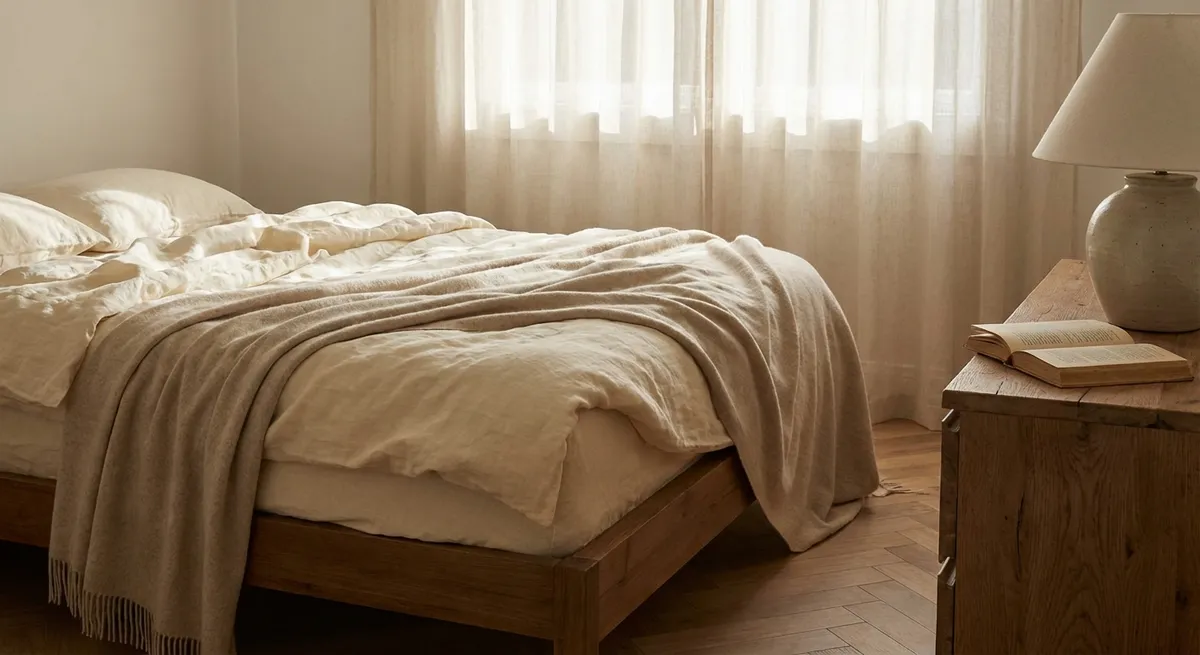
Your bedroom is the one room that sees you at your most unfiltered—sleepy, dreaming, reflecting, and slowly waking into the day. It deserves more than “good enough.” With a few thoughtful choices, even the most ordinary bedroom can become a quiet sanctuary: a place that feels calm, composed, and deeply personal, without requiring a designer’s budget or expertise.
This guide will walk you through styling essentials, budget-friendly upgrades, and simple before-and-after transformations that prove small changes can have a big emotional impact.
Begin with a Feeling, Not a Shopping List
Before you think about colors or furniture, ask yourself: How do I want to feel in my bedroom? Calm and cocooned? Airy and bright? Romantic and layered? Energized yet grounded?
Take a moment to define three words that describe your ideal bedroom mood—perhaps “soft, serene, elevated” or “warm, cozy, grounded.” Let these words guide every decision that follows.
Once you have your mood words:
- Create a simple inspiration board using Pinterest or a saved album on your phone. Look for recurring themes—linen textures, curved shapes, pale woods, or moody hues.
- Observe what you already own. Are there pieces that align with your three words? A favorite blanket, a lamp, a piece of art? Those become your anchors.
- Decide your focal point. In most bedrooms, this is the bed wall. Knowing this helps you prioritize where to spend and where to save.
- Edit, then build. Remove items that fight your desired mood—cluttered surfaces, harsh lighting, or loud colors that feel jarring.
- Honor how you actually live. If you read every night, lighting and nightstand space matter. If you work from bed some days, pillows and laptop-friendly surfaces become key.
Design rooted in feeling, not trends, naturally looks timeless and personal.
The Bed: Curate a Hotel-Worthy Focal Point
The bed is the visual and emotional centerpiece of the room. You don’t need a luxury budget to create a quietly elegant, “boutique hotel” moment.
Choose a Calm, Cohesive Base
- Stick to 2–3 main colors. For a restful look, choose a soft neutral (white, cream, greige) plus one gentle accent (sage, dusty blue, blush, or warm taupe).
- Invest where it touches your skin. If possible, prioritize a comfortable mattress and breathable sheets (cotton percale, cotton sateen, or linen).
- Use a simple headboard to elevate everything. An upholstered or wood headboard—even an affordable one—instantly frames the bed and makes the room feel “finished.”
Layer Like a Designer (But Keep It Usable)
For a quietly luxurious bed:
- Start with crisp, well-fitted sheets. Neutral or subtly patterned.
- Add a duvet or comforter in a solid, calm tone. Whites, creams, or soft greys are versatile.
- Introduce a textured layer at the foot: a knit throw, a matelassé coverlet, or a quilt in your accent color.
Edit pillows with intention:
- Two sleeping pillows per person (stacked or overlapped) - Two–three larger Euro shams for structure (optional but impactful) - One or two throw pillows for personality—no more than you are willing to move every night.
Budget-Friendly Bed Upgrades
- Use a bed skirt or fabric-covered box spring to hide under-bed storage and create a clean line.
- Swap tired throw pillows for new covers instead of replacing inserts.
- Upgrade just your pillowcases to a higher-quality cotton or silk blend for a touch of everyday luxury.
- If a headboard isn’t in the budget, paint or wallpaper a “headboard shape” (arched, rectangular, or paneled) behind the bed to create architectural interest.
Color and Light: Designing for Rest and Gentle Mornings
Color and light shape how your bedroom feels more than any piece of furniture.
Choosing a Soothing Palette
Research suggests that softer, muted tones are more conducive to relaxation and better sleep:
- Soft neutrals: ivory, linen, warm white, mushroom, greige
- Gentle cool tones: dusty blues, soft sage, misty grey
- Warm, cocooning hues: sand, clay, muted terracotta, warm taupe
To keep your room elegant, use the 60–30–10 rule:
- 60%: main wall color / larger surfaces
- 30%: secondary color (bedding, rug, curtains)
- 10%: accent color (pillows, art, small decor)
Choose finishes with a matte or low-sheen paint for your walls to minimize glare and create a soft, enveloping feel.
Layered Lighting for Atmosphere
Harsh overhead lighting can make even the most beautiful room feel flat and stressful. Aim for at least three types of light:
- Ambient light: Ceiling fixture or a simple flush mount.
- Task lighting: Bedside lamps or wall sconces for reading; a small desk lamp if you have a vanity or workspace.
- Accent lighting: A floor lamp, picture light, or even a subtle LED strip behind the headboard or under the bed.
Design tips:
- Choose warm white bulbs (2700–3000K) for a gentle evening mood.
- Add dimmers if possible; they are one of the most transformative small upgrades.
- Use matching or coordinating bedside lamps to create visual balance and a sense of intention.
Budget ideas:
- Replace intense “cool white” bulbs with warm LED bulbs for instant softness.
- Add clip-on lamps or plug-in sconces if hardwiring isn’t an option.
- Use battery-powered puck lights or candles with timers for low, atmospheric glow on shelves or dressers.
Textures, Fabrics, and Rugs: The Secret to Warmth and Depth
Even in a simple, neutral room, rich texture can make your bedroom feel layered and luxe.
Curating Cozy, Elevated Textures
Mix at least three different textures:
- Crisp: cotton percale sheets, smooth painted walls
- Soft: knits, velvets, brushed cotton, boucle
- Organic: linen, jute, wood, rattan
- Reflective accents: a hint of metal, glass, or mirrored surfaces
Thoughtful combinations might include:
- Linen duvet + cotton sheets + knit throw
- Wool or faux-sherpa pillows + smooth ceramic lamp + wood nightstand
- Jute or flatweave rug + upholstered bed + slim brass accents
Rugs That Ground the Room
A rug instantly gives the room a sense of intention and softness, even over carpet:
- Ideally, the rug should extend about 18–24 inches beyond the sides of a queen or king bed.
- If a large rug isn’t possible, use two runners on either side of the bed for a boutique-hotel feel.
- Choose low- to medium-pile rugs for easy cleaning and a refined look.
Budget-conscious options:
- Layer a smaller, high-quality rug over a larger, inexpensive natural fiber rug.
- Look for indoor–outdoor rugs—they’re often cheaper, durable, and surprisingly stylish.
- Use washable rugs in high-traffic areas, especially if you have pets or kids.
Storage and Surfaces: Organized, Not Over-Decorated
Clutter is visually noisy—and the bedroom is where your mind needs quiet.
Smart Storage That Still Looks Beautiful
- Use under-bed bins or drawers for off-season clothes, extra linens, or bulkier items.
- Choose nightstands with closed storage if you tend to accumulate items; a single visible drawer and a hidden shelf work wonders.
- Introduce a storage bench at the foot of the bed for blankets, pillows, or workout gear.
- Utilize vertical storage: slim wardrobes, tall dressers, or simple wall shelves.
When styling surfaces:
- Limit nightstands to 3–5 items: lamp, a book, a small dish or tray, perhaps a single photo or plant.
- Top dressers with a curated vignette: a tray with perfume or jewelry, a small stack of books, a candle, and one sculptural object or vase.
- Use matching baskets to hide necessities like chargers, remotes, and small electronics.
Styling on a Budget: High-Impact, Low-Cost Changes
You don’t need a full renovation to feel transformed. Focus your budget on high-visibility, high-touch items and use creativity for the rest.
Where to Spend a Little More
- Mattress and pillows: comfort is non-negotiable for well-being.
- Main bedding layer: a duvet cover or quilt in a refined, timeless color.
- Curtains: floor-length, well-hung curtains immediately elevate the room.
- Lighting: attractive lamps can make inexpensive furniture feel intentional.
Where to Save (Without Sacrificing Style)
- Repurpose what you own:
- Use a console table as a vanity.
- Stack vintage trunks as a bedside table.
- Repaint a dated dresser in a soft, modern color.
- DIY artwork:
- Frame textured fabric, wallpaper samples, or pressed leaves.
- Create a simple abstract painting in your palette.
- Update hardware:
- Replace nightstand or dresser knobs with brushed brass, matte black, or ceramic pulls.
- Swap basic curtain rods for a slimmer, more elegant option.
- Use paint as your secret weapon:
- Paint just the wall behind the bed for a headboard effect.
- Add a tone-on-tone color-block halfway up the wall for subtle architecture.
Before-and-After Mini Transformations You Can Recreate
You don’t need architectural changes to see a “before and after.” Here are three realistic scenarios and how to elevate them.
1. The “Mismatched College Leftovers” Bedroom
Before:
Random furniture from different eras, busy bedding, cluttered surfaces, one harsh ceiling light.
After (Weekend Refresh):
- Choose a soft, unifying wall color (warm white, pale greige, or soft sage).
- Pick a neutral duvet and two matching pillow shams; keep patterns minimal.
- Spray-paint mismatched frames in a single finish (black, white, or brass).
- Add two matching bedside lamps (even inexpensive ones) for balance.
- Use woven baskets to gather visible clutter and tuck them under the nightstands or at the base of the dresser.
The room still contains the same core pieces, but feels like one harmonious story instead of a random collection.
2. The “Dark, Heavy, and Dated” Primary Bedroom
Before:
Bulky furniture, dark red or brown bedding, heavy curtains that block light, overcrowded surfaces.
After (Layered Lightness):
- Swap dark bedding for lighter, tone-on-tone neutrals and textured throws.
- Replace heavy curtains with sheer panels layered under blackout drapes, so you control privacy and light.
- Edit surfaces to essentials; store the rest in closed cabinets or decorative boxes.
- Introduce one large mirror to reflect natural light.
- Add a single accent color—perhaps soft blue or eucalyptus green—through pillows and art to refresh without overwhelming.
The room feels more open and calm, while still rooted and cozy.
3. The “Bare and Sparse” Guest Room
Before:
Mattress on a basic frame, one lamp, no art, no warmth—functional but uninspired.
After (Thoughtful Welcome):
- Add an affordable upholstered or wood headboard (or paint a headboard shape).
- Place two simple side tables—they don’t need to match perfectly; similar heights and finishes are enough.
- Dress the bed with crisp white sheets, a soft-colored throw at the foot, and two decorative pillows.
- Hang either one large piece of art above the bed or a tidy grid of smaller frames.
- Add a small tray with essentials: water carafe, spare phone charger, a candle, and a handwritten note or local guidebook.
Suddenly the guest room feels like a small boutique stay rather than a forgotten extra space.
Personal Touches: Make It Unmistakably Yours
A beautiful bedroom is not a catalog page; it carries your story.
Thoughtful personal touches might include:
- Meaningful art: framed photos from travels, a sketch from a loved one, or a vintage print you found in a market.
- Scent rituals: a subtle linen spray, essential oil diffuser, or candle you light only in the evening, so your brain associates that scent with rest.
- Soft sound: a small speaker for gentle playlists, nature sounds, or guided meditations.
- Books within reach: a small, curated stack that reflects what you genuinely love to read—poetry, essays, novels, or design books.
- A “landing ritual” spot: a chair, bench, or corner where you can sit to take off your shoes, write a few evening thoughts, or sip tea before bed.
When your bedroom reflects both who you are and who you’re becoming, stepping into it feels like exhaling.
Conclusion
Transforming your bedroom doesn’t require grand renovations or perfect design instincts. It begins with a feeling—how you want to experience this space at the start and end of each day—and continues with a series of gentle, thoughtful choices.
By refining your color palette, layering soft textures, embracing warm lighting, and curating what you keep on display, you create more than a “pretty room.” You create a sanctuary that supports rest, clarity, and a more gracious relationship with yourself.
Let your bedroom be the quiet crown of your home: a place where the noise of the world softens, and you are reminded—night after night—that you deserve beauty, comfort, and calm.
Sources
- Mayo Clinic – Sleep environment: Tips for a better night's sleep - Explains how bedroom light, noise, and temperature impact sleep quality
- National Sleep Foundation – Healthy Bedroom Environment - Details practical recommendations for creating a restful sleep space
- Harvard T.H. Chan School of Public Health – Blue Light Has a Dark Side - Discusses how lighting and screens affect circadian rhythms and sleep
- U.S. Department of Energy – Lighting Choices to Save You Money - Provides guidance on bulb types, color temperature, and energy-efficient lighting
- The Spruce – Bedroom Decorating Ideas - Offers practical examples of bedroom layouts, color schemes, and styling tips