
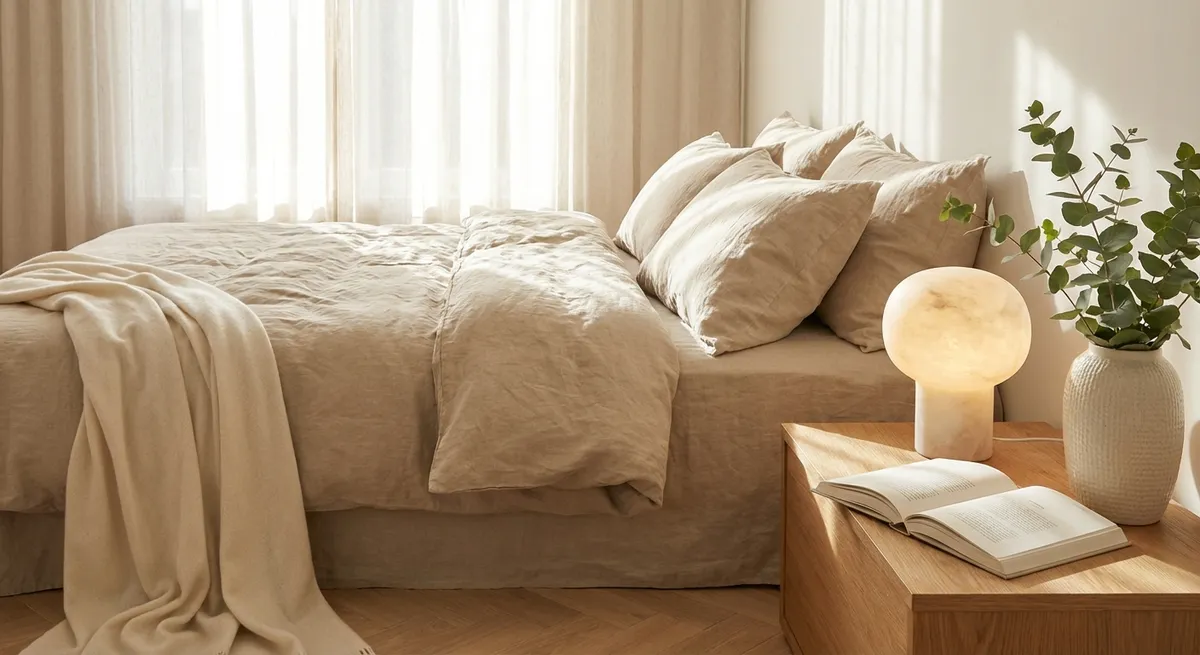
A bedroom should feel like an exhale—the moment your shoulders drop, your breath slows, and the day gently fades to the edges. You don’t need a design degree or a limitless budget to create that feeling. With thoughtful choices, a little creativity, and a clear vision, any bedroom can become a sanctuary that reflects who you are and how you want to feel.
This guide walks you through practical, elegant ways to refresh your bedroom—styling tips, budget-friendly upgrades, and before‑and‑after ideas that work in real homes, not just in glossy magazines.
Begin With a Feeling, Not a Floor Plan
Before you move a single piece of furniture, decide how you want your bedroom to feel. Calm? Romantic? Airy? Cozy and cocoon-like? That feeling becomes your compass.
Spend a few minutes noting what currently bothers you about your bedroom—clutter, harsh lighting, mismatched pieces, a bed that never quite looks “finished.” Then write down three words that describe your ideal bedroom mood. For example: “soft, grounded, restful” or “bright, airy, uplifting.”
Once you have those words, use them to guide every choice:
- Color: “Restful” might suggest warm neutrals; “uplifting” might lean toward light blues or soft greens.
- Materials: “Grounded” leans into wood, linen, wool; “romantic” invites velvet, silk, and soft draping.
- Lighting: “Cozy” calls for layered, warm light; “fresh” pairs natural light with light-filtering window treatments.
This simple mood-first approach keeps you from getting lost in trends and helps your bedroom feel intentional instead of accidental.
The Bed as a Statement: Layering for Everyday Luxury
Your bed is the visual anchor of the room and the place where you spend a third of your life. It deserves thoughtful attention, but that doesn’t mean it must be expensive.
1. Choose a Calm Color Story
Pick 2–3 main colors and stick to them. A simple formula:
- Base: Soft white, cream, or light gray sheets
- Layer: Duvet or quilt in a muted tone (taupe, sand, clay, dusty blue, sage)
- Accents: Pillows or throw in a deeper shade or subtle pattern
Repeating these tones in art, a rug, or curtains creates cohesion and calm.
2. Master Simple, Elegant Bed Styling
For an inviting bed that looks pulled-together but not overdone:
- Start with crisp, well-fitted sheets—even budget-friendly sets look luxurious when pressed or gently steamed.
- Add a lightweight quilt or coverlet, then fold a duvet at the foot of the bed for dimension.
- Use two to four Euro shams (for queen or king beds) stacked at the back, then two sleeping pillows in front.
- Add one or two smaller accent cushions—not ten. Fewer, larger pillows look more sophisticated than a clutter of tiny ones.
- Finish with a throw blanket casually draped or folded at the foot for texture.
3. Budget-Friendly Swap: Upgrade Textures, Not Pieces
If a new bed frame isn’t in the budget, focus on textiles:
- Swap worn pillowcases for envelope-style shams in linen or washed cotton.
- Replace a busy patterned comforter with a solid, textured duvet for an instant calm.
- Add a padded or upholstered headboard (or even a DIY fabric-covered panel) to elevate an existing frame.
A modest investment in quality-feeling textiles often has more impact than buying new furniture.
Color, Light, and Texture: The Quiet Power Trio
Your bedroom’s mood is shaped less by how many things you own and more by how color, light, and texture interact.
1. Color: A Gentle Reset
Consider repainting walls as your most transformative, cost-effective upgrade.
- For serenity, choose warm whites, greiges, and soft taupes—they flatter most light conditions and work with evolving decor.
- For a cocoon feeling, try deep, muted tones like ink blue, forest green, or charcoal on the walls, paired with light bedding for balance.
- If repainting the whole room is too much, consider a single accent wall behind the bed in a richer shade of your base color.
Swatch paint on all walls and check it morning, midday, and evening—bedrooms are used most at night, so warm, inviting tones often work better than stark cool whites.
2. Lighting: Layered, Soft, and Adjustable
One overhead light rarely flatters a bedroom. Aim for three layers of light:
- Ambient: Ceiling light or a simple flush mount, ideally on a dimmer.
- Task: Bedside lamps, wall sconces, or pendant lights for reading.
- Accent: A small table lamp, LED candles, or subtle string lights to soften the mood.
For everyday elegance:
- Use warm white bulbs (2700K–3000K) to avoid harsh, clinical light.
- Place lamps so that light meets you at eye level when you’re sitting in bed or in a chair.
- If wiring is an issue, consider plug-in sconces or clamp lights for a tailored look without renovation.
3. Texture: The Secret to “Expensive” Looking Spaces
Even in an all-neutral room, texture creates interest and depth:
- Pair crisp cotton sheets with a chunky knit throw.
- Use a jute or wool rug to ground the bed.
- Add a linen curtain panel or Roman shade for softness at the windows.
- Incorporate wood, woven baskets, and ceramic accessories to avoid a flat, too-smooth look.
Think of texture as the jewelry of your bedroom: subtle but transformative.
Storage With Grace: Decluttering Without Sterility
A peaceful bedroom is rarely an overstuffed one—but it also shouldn’t feel like a hotel lobby. The goal: fewer, better-loved pieces and clever storage that blends in.
1. Edit Before You Organize
Before shopping for baskets or boxes, remove what doesn’t belong in a resting space:
- Relocate work files, random tech, and excess laundry if possible.
- Keep surfaces like nightstands no more than one-third full: lamp, one or two personal objects, and a book or carafe.
- Assess clothes: donate or store items you never reach for. Your closet is part of your bedroom’s mental noise.
2. Smart Storage Ideas That Look Beautiful
- Use under-bed storage bins with lids for off-season clothing or spare linens. Choose low-profile ones so they stay hidden.
- Place a lidded basket at the foot of the bed for throws or extra pillows.
- Opt for a small dresser as a nightstand if you need more clothing storage in a tiny room.
- Mount simple wall shelves in a reading corner to hold a few books and a plant without crowding the floor.
When every item has a home, your bedroom feels lighter, even if nothing else changes.
Before-and-After Transformations: Ideas You Can Borrow
Seeing what’s possible in realistic scenarios can spark your own creative solutions. Here are three common “before” bedrooms and simple “after” strategies you can adapt.
1. The “Catch-All” Bedroom
Before:
The bed doubles as a laundry station, mismatched furniture crowds the walls, and there’s a jumble of décor from different eras. It feels busy and restless.
After – The Edited Retreat:
- Step 1: Strip Back
Remove everything from nightstands and dressers. Take down art and decor. Start with a blank slate: bed, lamps, window coverings.
- Step 2: One Style Story
Choose a direction—e.g., “warm, minimal, slightly rustic.” Keep only items that fit this narrative. A simple wooden lamp, one ceramic tray, a neutral rug.
- Step 3: Elevated Essentials
- Replace old bedding with a single, cohesive set in soft neutral tones.
- Use matching bedside lamps to create symmetry, even if the nightstands differ.
- Add a single large artwork or framed print above the bed instead of multiple small pieces.
The result: less visual noise, more breathing space, and a room that feels like it finally knows what it wants to be.
2. The Small, Dark Bedroom
Before:
Limited natural light, bulky furniture, and dark linens make the space feel like a cave—but not in a cozy way.
After – The Light-Boosted Nest:
- Step 1: Light, Not White
Repaint walls in a soft, light color with a warm undertone—like a creamy beige or pale greige. Harsh, bright white can emphasize shadows in dim rooms.
- Step 2: Airy Fabrics
- Swap heavy drapes for sheer or light-filtering curtains hung close to the ceiling and wider than the window to maximize light.
- Choose light-colored bedding with a subtle pattern or texture to reflect what light exists.
- Step 3: Streamlined Furniture
- Replace a bulky bed frame with a slim, platform bed or one with visible legs to show more floor space.
- Use wall-mounted shelves or sconces instead of large bedside tables where possible.
- Step 4: Strategic Mirrors
Place a mirror opposite or adjacent to the window to bounce light around, but avoid directly facing the bed if it feels visually disruptive to you.
The result: a room that feels taller, brighter, and more open without any structural changes.
3. The Mismatched Hand-Me-Down Room
Before:
A dark wood headboard, a light wood dresser, metal side tables, and a random chair—none intentionally chosen, all coexisting awkwardly.
After – The Curated Collected Look:
- Step 1: Choose a Dominant Tone
Decide whether your room will lean warm (brass, walnut, beige) or cool (chrome, gray, cooler white). This choice guides all adjustments.
- Step 2: Unify With Color and Hardware
- Paint one or two pieces of furniture in a similar tone (e.g., soft taupe or off-black) to tie them together.
- Swap mismatched knobs for coordinated hardware—brushed brass, matte black, or pewter.
- Step 3: Repeat Materials Intentionally
If you have one beautiful wood piece, echo that wood tone once more (a frame, a tray), then let everything else be quieter neutrals.
- Step 4: Layer a Rug
A single, generous rug under the bed that extends beyond both sides (even over existing carpet) visually connects all pieces, making them feel like part of a set.
The result: a room that looks thoughtfully curated instead of cobbled together.
Designing for Real Life: Comfort, Ritual, and Rest
A beautiful bedroom is only successful if it supports your real routines.
1. Create Tiny Ritual Zones
Ask yourself: what would make night and morning feel gentler?
- Nightstand Ritual:
Keep only what you truly use: a carafe or water glass, a book, hand cream, a small tray for jewelry or glasses, and a lamp. Add one personal object—a photo, a flower stem, a candle—for soul rather than clutter.
- Reading or Reflection Corner:
Even a small chair, floor cushion, or bench with a throw and a small lamp can become a retreat within a retreat.
- Landing Spot:
A hook or wall-mounted rack near the door for robes, tomorrow’s outfit, or a favorite sweater prevents the “clothes chair” from spiraling out of control.
2. Scent and Sound as Invisible Decor
- Use a subtle diffuser, candle, or linen spray with a consistent scent to signal rest—lavender, chamomile, or soft wood notes.
- Consider soft background sound (a small speaker for calming playlists or white noise) to buffer street noise and support relaxation.
3. Make the Bed Effortless, Not Perfect
Simplify bed-making so it becomes a 60-second act of self-care:
- Use fewer pillows and a streamlined layering system.
- Choose machine-washable textiles that don’t require special care.
- Keep extra throws and cushions in a dedicated basket so tidying is painless.
The more effortless the upkeep, the more your bedroom will consistently feel like a sanctuary.
Low-Cost, High-Impact Upgrades at a Glance
When time and budget are limited, focus on these:
- Fresh Pillow Inserts & Cases – Flat, tired pillows instantly age a room.
- Coordinated Lampshades – Swapping shades to a cohesive color or shape can transform mismatched lamps.
- Single, Large Artwork or a Statement Mirror – One substantial piece often looks more refined than many small ones.
- Matching Nightstand Trays – A simple tray on each nightstand corrals clutter and adds polish.
- Rug That Frames the Bed – Even an affordable, neutral rug that extends beyond the bed creates hotel-like comfort.
- Dimmer Switch or Smart Bulbs – Letting you dial the light down transforms the room at night.
Choose one or two to start; small changes tend to invite more care and inspiration over time.
Conclusion
Your bedroom doesn’t need to be perfect to be precious. It only needs to feel like a place where you can rest, dream, and return to yourself. By starting with a feeling, simplifying what you own, and investing thoughtfully in color, light, texture, and ritual, you can transform even the humblest bedroom into a sanctuary of quiet luxury.
Allow the process to be gradual and gentle. Move a lamp. Edit a nightstand. Wash the bedding and smooth it with intention. Each small choice is a vote for the life you’re creating—and your bedroom becomes the soft, beautiful backdrop for it.
Sources
- Mayo Clinic – Sleep environment: Tips for better sleep – Explains how light, noise, and temperature in your bedroom affect sleep quality.
- National Sleep Foundation – Bedroom environment and sleep – Provides evidence-based guidance on creating a restful bedroom environment.
- Harvard T.H. Chan School of Public Health – The importance of sleep – Discusses how sleep impacts health and why a supportive sleep space matters.
- IKEA – Bedroom ideas & inspiration – Real-world visual examples of small-space solutions, storage, and styling.
- The Spruce – Bedroom decorating ideas – Practical decor tips and before-and-after inspiration for a variety of styles and budgets.