
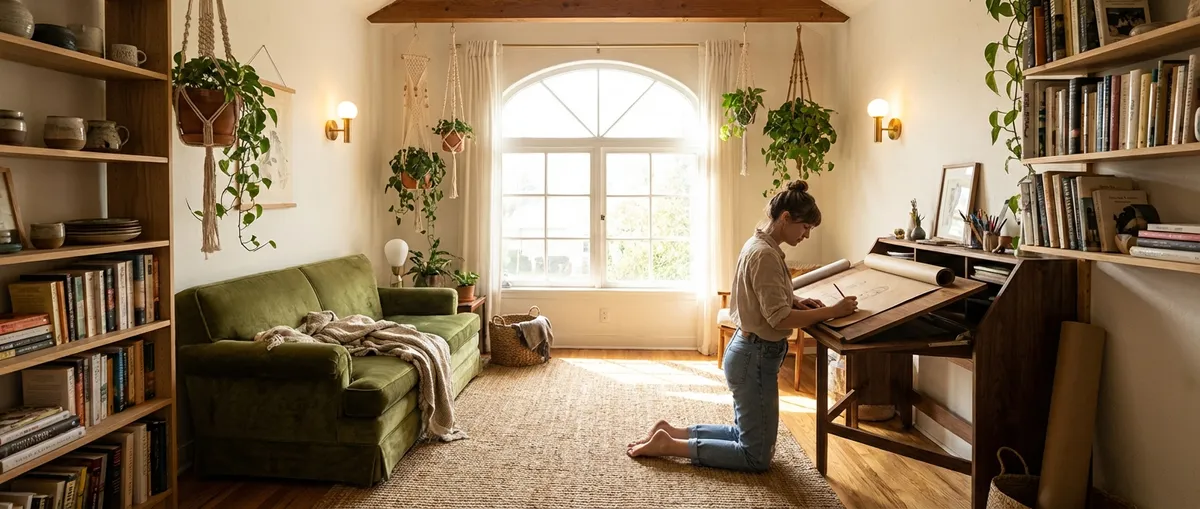
Small spaces are not a limitation; they are an invitation to design with heart, cleverness, and clarity. Whether you’re styling a studio apartment, a compact living room, or a tiny bedroom, you can create a home that feels spacious, beautiful, and deeply personal. With a few thoughtful choices—some strategic, some delightfully creative—you can turn every square foot into a love letter to your life.
In this guide, you’ll find practical styling tips, budget-friendly ideas, and “before-and-after” style transformations that prove small spaces can be incredibly powerful, cozy, and elegant.
Start with a Vision: Define How You Want to Feel
Before you buy a single pillow or shelf, pause and ask: How do I want this space to feel? Calm and airy? Cozy and cocoon-like? Energizing and creative?
Write down three words that capture your ideal mood—for example: light, serene, welcoming. These words become your compass for every decision.
When working in a small space:
- Choose a unified color story. Light neutrals (soft whites, warm beiges, gentle greys) help reflect light and visually open up a room. Add depth with one or two accent colors in cushions, throws, books, or art.
- Simplify patterns. One statement pattern (a rug, curtains, or accent chair) often looks more refined than many competing prints.
- Edit before you add. Spend a day removing items you don’t use or truly love. Small spaces flourish when every object has a purpose or brings you joy.
- Think in “zones,” not rooms. Instead of imagining a tiny apartment as one cramped area, see it as a collection of thoughtfully defined zones: sleeping, lounging, working, eating.
When you start with a clear vision of feeling rather than just “furniture placement,” your choices align naturally—and the space begins to feel intentional, not improvised.
Light, Color, and Mirrors: Expanding the Room You Have
Light and color are your strongest allies in making a small space feel larger, calmer, and more elegant.
Embrace Light
- Maximize natural light. Use sheer curtains or light-filtering shades instead of heavy drapes. Mount curtain rods higher and wider than the window frame to draw the eye up and out.
- Layer artificial lighting. Avoid relying on a single overhead fixture. Add floor lamps, table lamps, and wall sconces to create pools of soft, flattering light. This layered approach makes corners feel alive rather than shadowy and cramped.
- Use reflective surfaces thoughtfully. Glass, polished metal, and glossy finishes bounce light around the room, helping it feel more open.
Play with Color
- Light walls, warm accents. Pale walls visually recede, creating the illusion of more space. Add warmth with wood tones, textured textiles, and earthy accents like terracotta, olive, or rust.
- Tone-on-tone palettes. Choose variations of one color (e.g., warm white, beige, caramel) to create a sophisticated, cohesive look that feels calm rather than busy.
- The darker anchor. A slightly deeper color on a rug or sofa can “ground” the space and keep it from feeling washed out, as long as surrounding elements remain light.
The Power of Mirrors
- Strategic placement. Position a mirror opposite or adjacent to a window to double the light and extend your view.
- One bold mirror vs. many small ones. A large mirror can act like a window; multiple small mirrors can feel cluttered. Choose one or two substantial pieces that match the elegance of your space.
- Mirrored furniture (in moderation). A mirrored side table or console can be beautiful, but use sparingly to avoid a space feeling overly reflective.
Furniture That Works Twice: Smart Layouts for Small Rooms
In a small home, furniture choice is about function, scale, and flexibility.
Choose Pieces with Purpose
- Dual-purpose furniture. Consider a sofa bed, an ottoman with storage, a coffee table that lifts into a desk, or a dining table that folds down when not in use.
- Slim profiles. Look for furniture with clean lines and visible legs. Pieces that sit directly on the floor or are heavily skirted can feel bulky and visually heavy.
- Right-size seating. A small room doesn’t automatically need tiny furniture. Sometimes one comfortable, medium-sized sofa plus a slim accent chair is better than many undersized seats that clutter the view.
Layout Tips
- Float, don’t always push. It’s tempting to push everything against the walls, but sometimes floating a sofa a few inches from the wall—or even in the center—creates better flow and a more considered layout.
- Create clear pathways. Ensure there is an obvious way to walk through the room without zigzagging around furniture. This sense of ease translates into a feeling of spaciousness.
- Use vertical space. Tall bookcases, wall-mounted shelves, and high-mounted art draw the eye upward, emphasizing height instead of limited floor area.
Think of furniture as the “architecture” of your small space: once it is well-planned, every accessory becomes easier to place.
Storage with Style: Decluttering Without Losing Character
Small spaces shine when clutter is contained, not when personality is erased. The secret is beautiful storage that blends into your décor.
Hidden Storage
- Under-bed solutions. Use rolling bins, woven baskets, or beds with built-in drawers to store off-season clothing, linens, or extra blankets.
- Storage ottomans and benches. Place one at the end of the bed, under a window, or in the entryway for shoes, bags, or spare pillows.
- Closed cabinets. A small sideboard or credenza with doors can hide everyday chaos—cables, paperwork, kids’ toys—while offering a surface for art and lighting.
Display with Intention
- Curated open shelves. Combine books, plants, small artworks, and a few meaningful objects. Leave negative space around items so shelves feel styled, not packed.
- Use matching containers. Matching baskets, boxes, or jars create visual calm and make even “messy” categories look neat.
- Rotate your treasures. Instead of displaying everything at once, keep a small “edit” on show and store the rest. Rotating pieces with the seasons keeps your home feeling fresh.
Decluttering isn’t about living with less of yourself; it’s about giving your favorite things room to breathe.
Budget-Friendly Styling: Beauty Without the Price Tag
Creating a refined, welcoming home doesn’t require a lavish budget. It asks for creativity, patience, and a few smart strategies.
Prioritize Impact Pieces
- Invest where you sit or sleep. A supportive mattress, a comfortable sofa, and a good desk chair affect your daily quality of life more than almost anything else.
- Save on accents. Throw pillows, blankets, vases, and small décor items can be found at thrift stores, discount shops, or online marketplaces.
- Choose timeless over trendy. For larger items, gravitate toward simple, classic shapes in neutral colors. Trends can appear in smaller, easy-to-swap pieces.
Shop Creatively
- Thrift and vintage. Older pieces often have better craftsmanship and unique character. A vintage wooden dresser or dining chair can be cleaned, refinished, or reupholstered for far less than a new high-end piece.
- DIY upgrades. A fresh coat of paint on a secondhand side table, new knobs on a basic dresser, or a tailored slipcover can elevate inexpensive furniture.
- Use what you already have. Reframe art prints, move a rug from one room to another, or repurpose a bench as a coffee table. Many transformations begin not with shopping, but with rearranging.
A limited budget can become a creative challenge—one that often leads to more original, soulful spaces.
Styling Tips for Key Small Spaces
Small Living Room
- Use a single, generously sized rug that fits under all major furniture legs to visually unify the seating area.
- Choose a glass or open-frame coffee table to reduce visual weight.
- Hang curtains high and wide to make windows appear larger.
- Add one large piece of art or a thoughtfully arranged gallery wall instead of many tiny frames scattered around.
Compact Bedroom
- Opt for wall-mounted bedside shelves or sconces to free up floor space.
- Use matching lamps or sconces on either side of the bed to create symmetry and calm.
- Place a mirror across from or next to a window to double your natural light.
- Store out-of-season clothing in under-bed bins with labels for easy access.
Tiny Kitchen or Dining Nook
- Use magnetic strips, pegboards, or rails on walls to store utensils and free up counter space.
- Consider a drop-leaf or fold-down table that can extend for guests and tuck away for everyday life.
- Stick to a cohesive color palette for dishes and small appliances to reduce visual noise.
- Add one small plant or a bowl of fruit for a touch of life and color without clutter.
Before-and-After Transformations: Ideas You Can Borrow
You don’t need professional design software to imagine a transformation. Here are three “before-and-after” style scenarios you can adapt to your own home.
1. The Overwhelmed Studio
Before:
A single room filled with mismatched furniture, a bed against one wall, a bulky sofa across from it, and piles of belongings stacked on the floor. The space feels like a dorm room—functional but chaotic.
After:
- The bed is moved to a corner and visually separated with a simple curtain or open shelving unit, creating a “sleeping zone.”
- A compact loveseat replaces the bulky sofa, paired with a slim side table and a small, round coffee table.
- A large rug anchors the seating area, while a second, smaller rug defines the sleeping space.
- Clutter moves into lidded baskets under the bed and in a closed cabinet.
- A single large artwork above the loveseat and a couple of plants soften the room.
Result: The studio now feels like a small one-bedroom: one cohesive, airy living area plus a distinct, cozy sleeping nook.
2. The Tight Entryway
Before:
Shoes tossed by the door, keys lost on any available surface, coats draped over chairs because there’s no clear landing spot. The first impression is clutter and stress.
After:
- A narrow console table is added with a shallow profile to keep the walkway open.
- A wall-mounted mirror hangs above, reflecting light and offering a last-minute check before leaving.
- Small trays or bowls on the console corral keys and mail.
- A slim shoe rack or lidded bench holds footwear, and hooks or a single rail offer a home for coats and bags.
Result: The entry reads as intentional and inviting: a space that welcomes you home instead of overwhelming you.
3. The Crowded Dining Corner
Before:
A large rectangular table overwhelms a small corner. Chairs block the pathway, and the table quickly becomes a dumping ground rather than a place to gather.
After:
- The large table is replaced by a round, bistro-style table that seats two to four people but occupies far less visual and physical space.
- Two slim, armless chairs tuck fully under the table when not in use.
- A pendant light or small chandelier above the table visually centralizes the area, making it a clear “dining zone.”
- A single piece of art or a small shelf for candles and a plant finishes the space.
Result: The corner transforms into a charming, café-like nook that invites slow breakfasts, quiet reading, and intimate dinners.
Conclusion
A small space is not a compromise; it is a canvas for clarity, creativity, and intention. When you lead with how you want to feel, edit gently, and choose each piece with care, your home—no matter its size—can hold your life with grace.
Let your rooms tell a quiet story: of rituals that matter, objects you truly love, and spaces shaped thoughtfully around the way you live. With light, smart storage, considered color, and a few well-placed treasures, your small space can become exactly what you need it to be—beautiful, functional, and profoundly yours.
Sources
- IKEA Small Space Living Ideas - Practical examples of multifunctional furniture, layout ideas, and storage solutions for compact homes.
- Apartment Therapy: Small Spaces Channel - Real-life small space tours, before-and-after makeovers, and budget-friendly styling tips.
- House Beautiful: Small Space Design - Expert advice on maximizing light, choosing color, and arranging furniture in tiny rooms.
- HGTV Small Space Design Ideas - Visual inspiration and step-by-step suggestions for decorating small living rooms, bedrooms, and kitchens.
- Better Homes & Gardens: Tiny Home Decorating - Guidance on storage, multipurpose furniture, and cohesive color schemes tailored for small homes and apartments.