
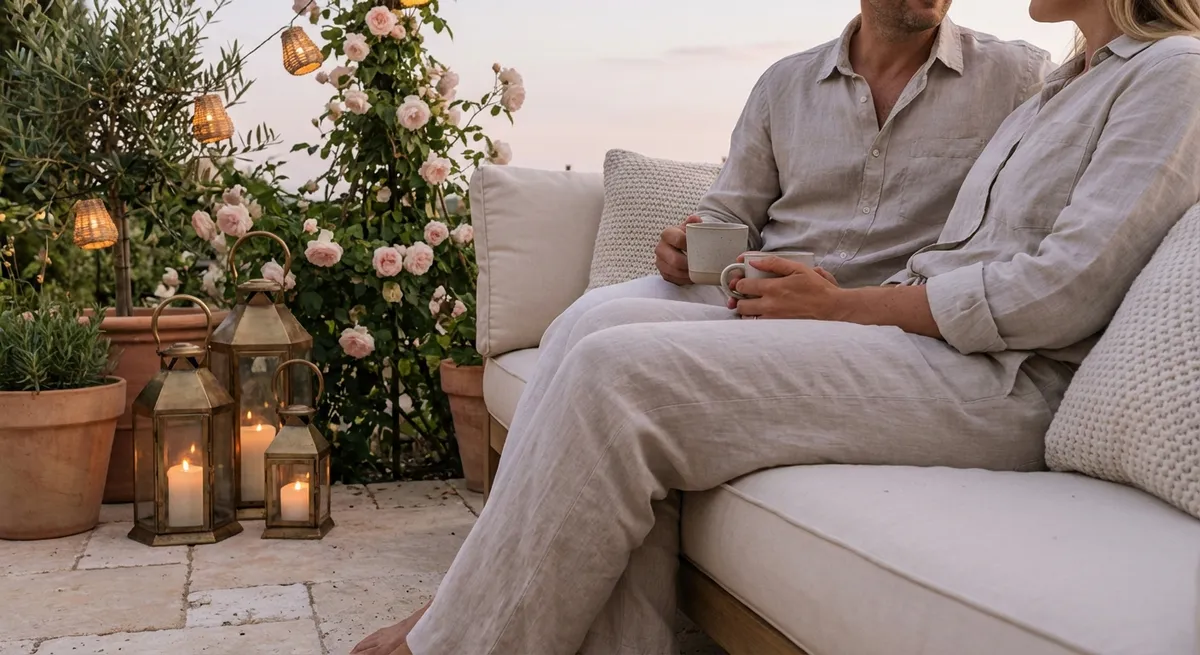
Outdoor spaces have a quiet magic. With a few thoughtful choices, even the smallest balcony or most neglected patio can become a sanctuary—a place where morning coffee feels like a ritual and evenings stretch softly under string lights. You don’t need a designer budget or acres of land to create it; you simply need intention, a bit of creativity, and a willingness to see what your space could be.
This guide will walk you through styling tips, budget-friendly ideas, and before-and-after transformations so you can turn any outdoor corner into a refined, welcoming extension of your home.
Start With a Vision: How Do You Want to Feel Outside?
Before buying a single cushion or pot, pause and imagine how you want your outdoor space to feel. Design is far more satisfying when it serves a clear, personal vision.
Ask yourself:
- Do you crave a quiet, spa-like retreat for reading and reflection?
- Do you see long, laughter-filled dinners with friends?
- Is this a family zone for kids, pets, and casual lounging?
- Do you dream of a lush, plant-filled oasis—or something more minimal and sculptural?
Give your space a “story.” For example:
- City Balcony Escape: Soft neutrals, layered textiles, a few statement plants, and a bistro table for two.
- Garden Dining Room: A long table, ambient lighting, a mix of wooden and metal accents, and fragrant planters.
- Sunset Lounge: Low seating, warm tones, lanterns, and a fire pit as the glowing heart.
Once you’ve named your story, every choice—furniture, colors, textures, lighting—can align with that mood. Vision turns random purchases into a cohesive outdoor experience.
Bring the Indoors Out: Seamless Style and Comfort
Your outdoor area feels instantly elevated when it echoes the beauty and comfort of your interiors. Instead of thinking of your patio or balcony as separate, treat it like another “room” in your home.
Coordinate Your Color Palette
Look at the space just inside your outdoor door—your living room, kitchen, or bedroom. Borrow that palette and soften or brighten it for the outdoors.
- If your interior has cool neutrals and blues, echo that outside with gray cushions, pale wood, and blue ceramics.
- If your interior leans warm and earthy, use terracotta pots, sand-colored textiles, and rust or olive accents.
- Limit yourself to 2–3 main colors plus one metallic (like black, brass, or matte nickel) so the space feels composed, not chaotic.
Layer Textures for Luxury
Texture is where outdoor spaces become truly inviting:
- Combine smooth (metal side tables, glazed pots) with soft (cushions, throws) and natural (rattan, jute, wood).
- Use outdoor rugs to visually anchor seating areas and add a living-room feel.
- Mix woven baskets, linen-like outdoor fabrics, and stone or concrete planters to add depth and tactile interest.
Choose Furniture That Feels Like Home
Outdoor furniture doesn’t have to feel stiff or utilitarian.
- Opt for sofa-style seating with deep cushions instead of small, upright chairs if you have the space.
- For tiny balconies, a folding bistro set or a single lounge chair with an ottoman can be enough to create a retreat.
- Add a side table (or even a sturdy stool or ceramic garden seat) so there’s always a spot for a book or drink.
Think of comfort first: if you wouldn’t want to sit on it for an hour, it doesn’t belong in your sanctuary.
Style on Any Budget: High-Impact, Low-Cost Ideas
A beautiful outdoor space doesn’t require a lavish budget. Smart, focused upgrades can completely shift the feel of your space.
Budget-Friendly Essentials
Outdoor Rug Magic
A single rug can define a “room,” hide imperfect flooring, and introduce pattern or color. Look for: - Reversible designs for versatility - Flatweave or polypropylene materials for durability and easy cleaning
Cushion Refresh
If new furniture isn’t an option, upgrade cushions and covers: - Choose durable, UV-resistant fabrics - Stick to a unified palette: for example, sand + white + charcoal stripes
String Lights and Lanterns
Lighting is one of the most transformative—and affordable—changes: - Use bistro string lights overhead to create a “ceiling” of warmth - Add solar lanterns or LED candles for layered glow at different heights
Plants as Architecture
Plants can replace expensive structural changes: - Use tall planters or trellises for privacy and a sense of enclosure - Cluster planters in groups of three for visual impact, varying heights and textures
DIY Side Tables and Surfaces
- Stack concrete pavers or cinder blocks with a wooden top for an industrial-chic side table - Repurpose a vintage stool, crate, or solid outdoor-safe trunk as a coffee table
Where to Save vs. Where to Splurge
- Save On: Rugs, basic planters, string lights, side tables, decorative accents.
- Splurge If Possible On: Comfortable seating, quality cushions, and one statement piece (like a fire pit, sculptural planter, or bold outdoor art).
If your budget allows, invest in the items that directly affect comfort—your future self will thank you during long, languid evenings outside.
Before & After: Three Transformations You Can Recreate
Below are three “before-and-after” concepts you can adapt to your own home. Imagine them visually, then translate them to the dimensions and constraints of your space.
1. The Neglected Concrete Patio → Modern Garden Lounge
Before:
A small rectangle of bare concrete behind a townhouse. One metal chair, no shade, no plants, and a view of the neighbor’s fence.
After Concept:
- Foundation: Lay down a large, neutral outdoor rug to soften the concrete and define the lounge zone.
- Seating: Add a compact outdoor loveseat with clean lines and two deep chairs forming an L-shaped conversation area.
- Greenery: Place tall planters with bamboo or ornamental grasses along the fence for softness and privacy.
- Lighting: String warm-white bistro lights from the house wall to a simple pole or pergola beam.
- Accent: A low-profile fire pit or round coffee table in the center, with a tray for drinks.
Key Lesson: A rug + cohesive seating + vertical greenery can turn harsh concrete into a garden-inspired living room.
2. The Tiny Balcony → Parisian-Style Breakfast Nook
Before:
A narrow apartment balcony with a bare floor, a small air-conditioning unit, and a railing. No seating, no shade, little room to move.
After Concept:
- Flooring: Add interlocking deck tiles or a slender outdoor runner to cover the cold concrete.
- Seating: Choose a slim, foldable bistro table with two chairs; if space is very tight, opt for one generous chair and a tiny side table instead.
- Softness: Add a seat cushion and a small lumbar pillow in soft, neutral tones or subtle stripes.
- Vertical Space: Hang a railing planter with trailing greenery or herbs to save floor space.
- Ambience: Add a lantern with a battery-operated candle and a small framed print or outdoor-safe art on the wall if possible.
Key Lesson: Prioritize just enough furniture to support your ritual (morning coffee, evening tea), then layer comfort and greenery in slender, space-savvy ways.
3. The Cluttered Backyard Corner → Intimate Outdoor Dining Room
Before:
A back corner of the yard used for storage—miscellaneous pots, an old grill, and garden tools stacked against the fence. The space feels forgotten.
After Concept:
- Clear & Clean: Remove clutter, trim plants, and power wash the ground or lay simple gravel or pavers.
- Define the Room: Center a dining table (wood or metal) with four to six chairs; place it parallel to the fence.
- Soft Boundaries: Add string lights overhead, running from the house to a sturdy post or tree, visually framing the dining area.
- Green Frame: Place large potted plants or a simple trellis with climbing vines behind the table to form a living backdrop.
- Tabletop Details: Layer a simple outdoor table runner, a cluster of candles or lanterns, and a small vase of fresh cuttings from your garden or local market.
Key Lesson: An underused corner can host memorable gatherings with three moves: clear, define, and frame the space with light and greenery.
Styling Tips from Interior Design, Adapted Outdoors
Think like an interior designer—just adapted to weather, light, and nature.
Balance, Scale, and Symmetry
- Anchor large pieces (sofa, dining table) first, then layer smaller items.
- Use visual symmetry where possible: matching chairs, twin lanterns, or two planters flanking an entry point.
- For small spaces, choose fewer, larger pieces over many tiny items; it feels calmer and more intentional.
Create Zones, Even in Small Spaces
If you have room, define distinct “zones”:
- Lounge Zone: Low seating, coffee table, soft lighting.
- Dining Zone: Table, chairs, overhead or focused lighting.
- Garden or Green Zone: Clustered planters, vertical garden, or a compact raised bed.
In compact spaces, zones can be suggested by:
- A rug vs. bare flooring
- Different types of seating (lounge chair vs. dining chair)
- A change in lighting style (string lights vs. a single lantern)
Light for Layers and Mood
Outdoor lighting should feel like candlelight for the entire room:
- Overhead Glow: String lights, pergola lights, or a simple pendant rated for outdoor use.
- Eye-Level Spark: Wall sconces, lanterns on tables, railing lights.
- Low Ambient Light: Stake lights in planters or along pathways, small uplights for trees or features.
Avoid harsh, cold lighting. Opt for warm-white (around 2700K–3000K) for a soft, flattering ambiance.
Nature as Decor: Plants, Textiles, and Scent
Outdoor living thrives on the elements you can’t quite replicate indoors—sun, breeze, rustling leaves, and scent.
Plants with Presence
Choose plants not just for beauty, but for function:
- For Privacy: Bamboo (in containers), tall grasses, or dense shrubs in planters.
- For Fragrance: Lavender, jasmine, herbs like mint and rosemary.
- For Structure: Small trees in pots (olive trees, dwarf citrus where climate allows), sculptural succulents, or topiaries.
Group plants in varying heights for a lush, layered effect rather than scattering single pots.
Textiles that Stand Up to Weather
Select outdoor-rated textiles that are water-, fade-, and mildew-resistant. To extend their life:
- Store cushions and throws in a weatherproof storage bench or deck box when not in use.
- Choose removable covers that can be washed or replaced seasonally.
A simple palette of soft neutrals with one accent color keeps the look timeless and easy to update.
Scent and Sound
- Add a small water feature for relaxing sound—this could be as simple as a compact fountain.
- Use citronella candles or essential-oil-based outdoor candles to help deter insects while adding scent.
- Incorporate wind chimes sparingly, especially in materials whose sound you genuinely love (bamboo, tuned metal, or glass).
These subtle sensory details deepen the feeling of retreat and ritual.
Seasonal Shifts: Evolving Your Outdoor Haven All Year
Your outdoor sanctuary can adapt gracefully with the seasons.
Spring & Summer
- Embrace lighter fabrics, brighter accents, and more greenery.
- Add shade solutions: umbrellas, shade sails, or climbing vines on trellises.
- Bring out extra cushions and floor poufs for impromptu gatherings.
Fall
- Swap lighter throws for chunky knits and warmer tones (rust, mustard, deep green).
- Introduce more candlelight and lanterns as evenings darken.
- Add a portable heater or fire pit (where permitted) to extend your outdoor season.
Winter (Where Climate Allows)
- Store or cover furniture to protect it.
- Keep a few evergreen plants or winter-hardy pots near windows and doors for visual connection.
- Use outdoor-safe string lights and a simple wreath or evergreen garland to keep the space feeling alive, even if you’re only viewing it from inside.
Treat your outdoor living area as a living project, not a one-time makeover. Small, thoughtful seasonal updates keep it inspiring and deeply used.
Conclusion
Outdoor living is less about square footage and more about intention. A single chair and a lantern on a balcony can hold just as much peace and beauty as a fully outfitted terrace if the space is shaped with care.
By starting with a clear vision, echoing your indoor style, layering texture and light, and embracing nature as your most powerful décor, you can create an outdoor sanctuary that feels both elegant and completely your own—no matter your budget or skill level.
Let your outdoor space tell a new story this season: one of slow mornings, unhurried evenings, and everyday moments elevated by beauty and comfort.
Sources
- U.S. Environmental Protection Agency – WaterSense Outdoor Tips - Practical guidance on smart outdoor water use that can inform plant and irrigation choices for your outdoor space
- Better Homes & Gardens – Outdoor Room Ideas - Inspiring examples and photos of outdoor “rooms” that align with the concepts in this article
- The Spruce – Decorating an Outdoor Space - Design-driven advice for furniture, lighting, and layout in patios and balconies
- HGTV – Budget-Friendly Outdoor Decorating Ideas - Real-world, budget-conscious transformations and styling tips
- University of Minnesota Extension – Selecting Landscape Plants - Evidence-based guidance on choosing appropriate plants for your climate and outdoor conditions